Brand, product, and an AI pipeline that made the photo shoot unnecessary.
Brand, product, and an AI pipeline that lets a startup ship like a much bigger company.
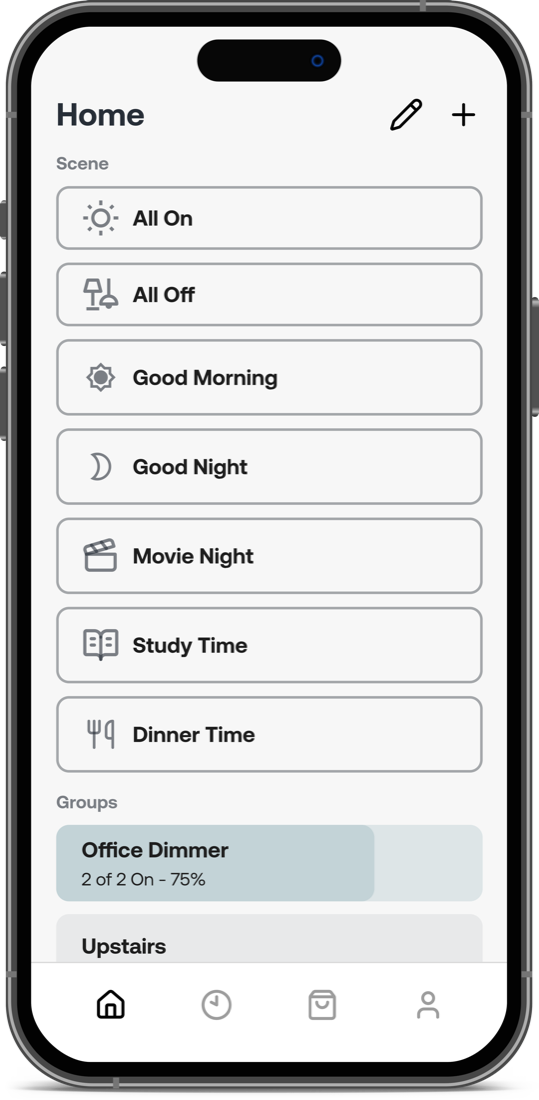
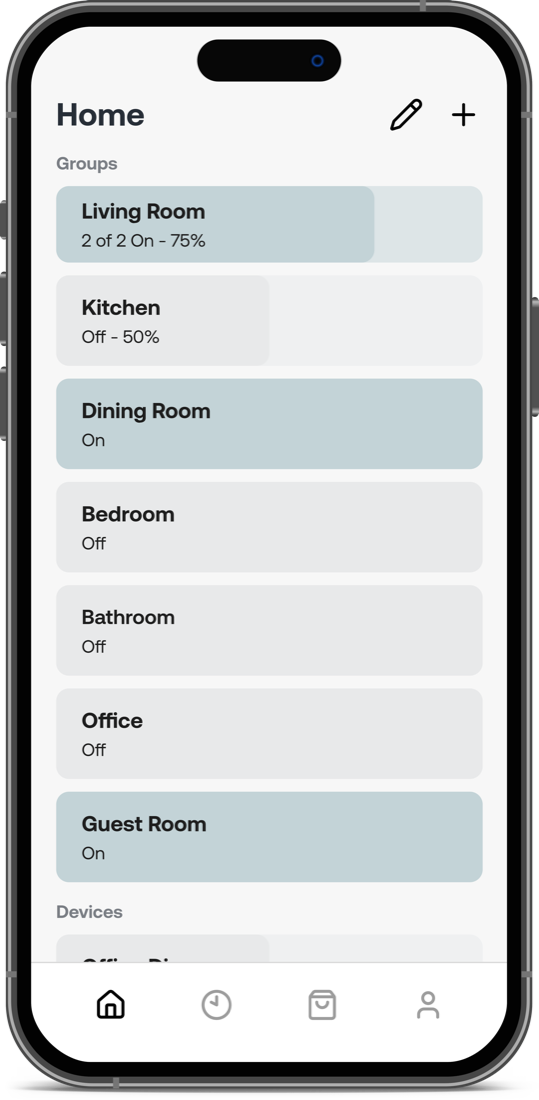
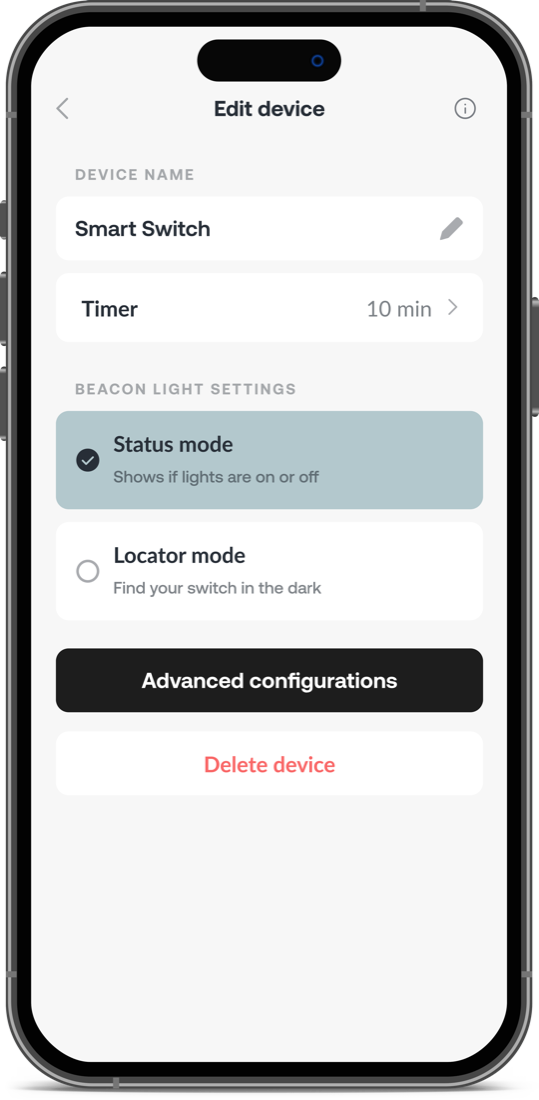
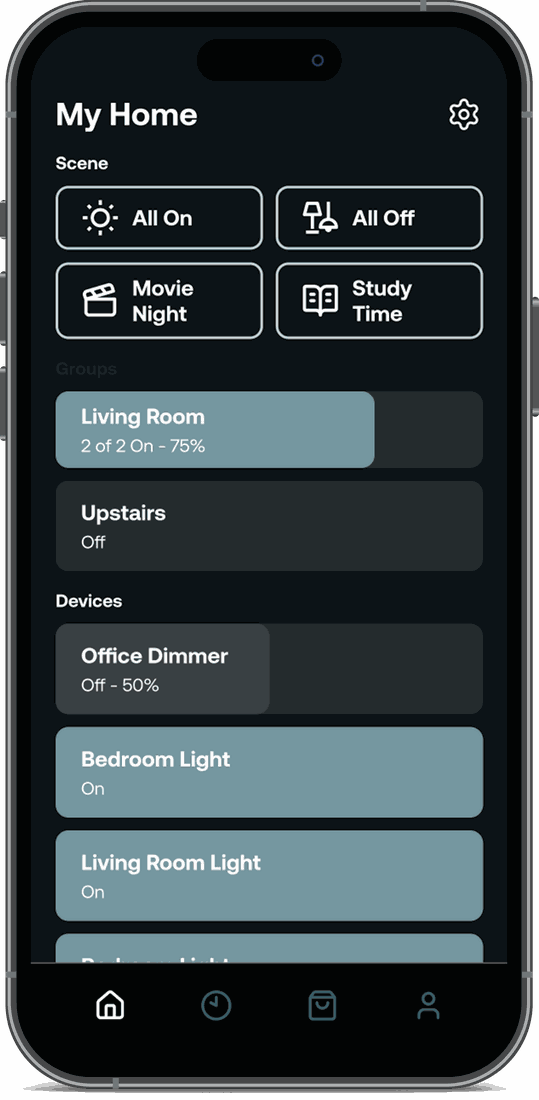
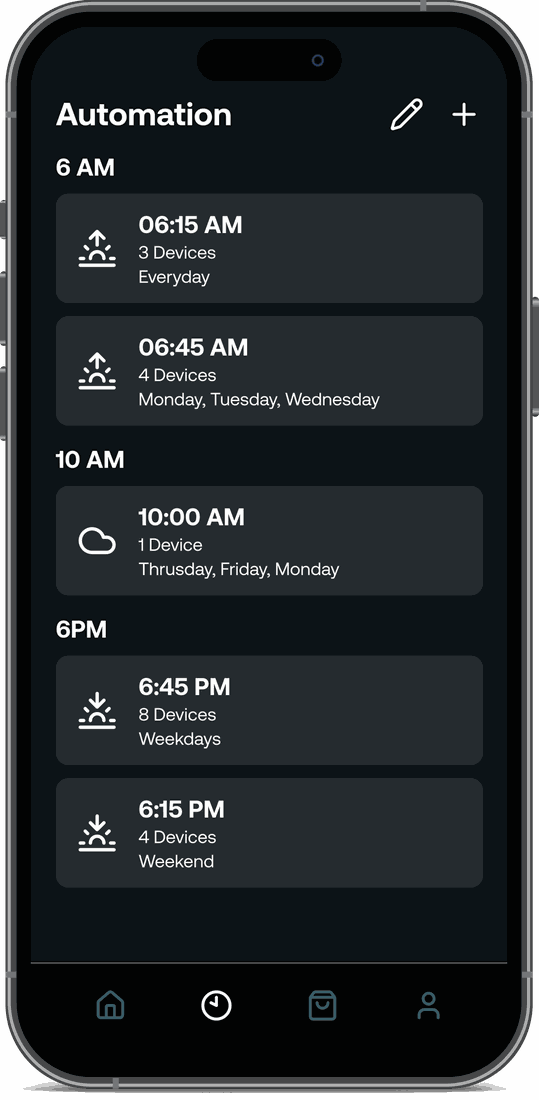
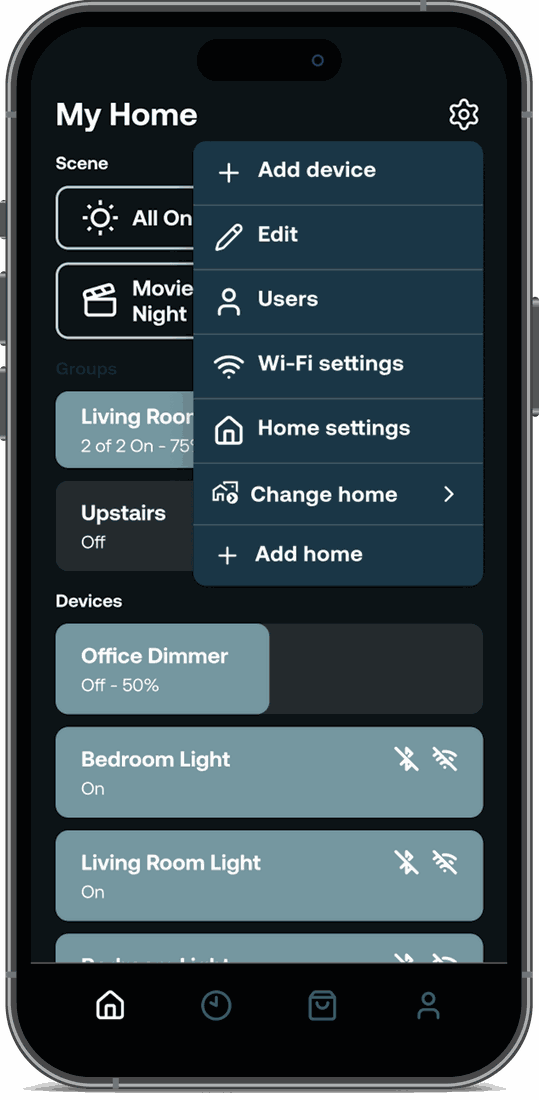
Over nearly three years as Deako's sole creative, I directed every surface the company shows the world: the marketing site, the product renderings, the app, and the imagery and video. The biggest change was production. I built an AI pipeline that took over the lifestyle photography outright and put film within reach alongside the shoots the team still does, on a startup's timeline — and then rebuilt that pipeline from the ground up, so the work that used to be composited by hand now comes out of the generation step finished.
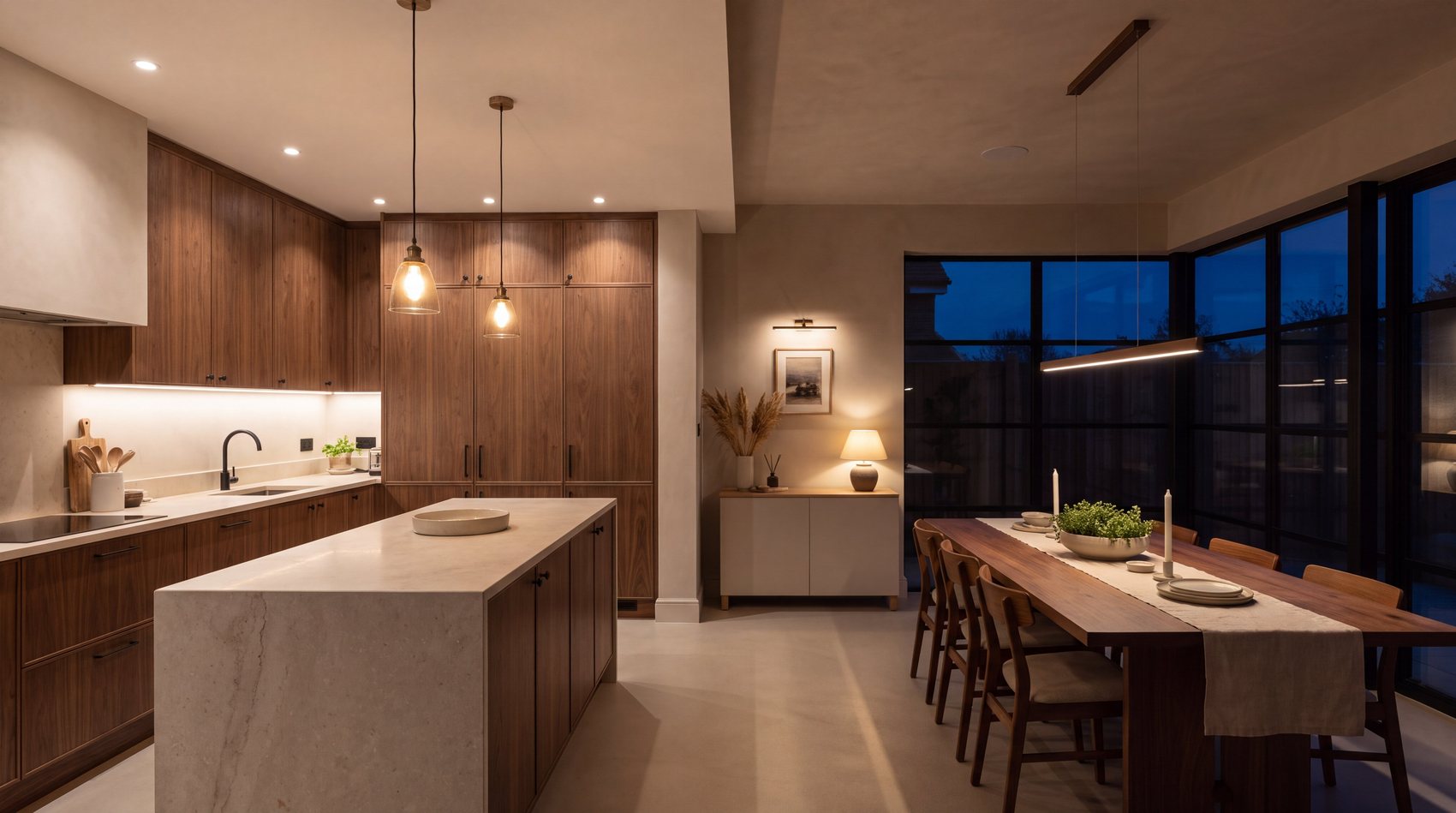
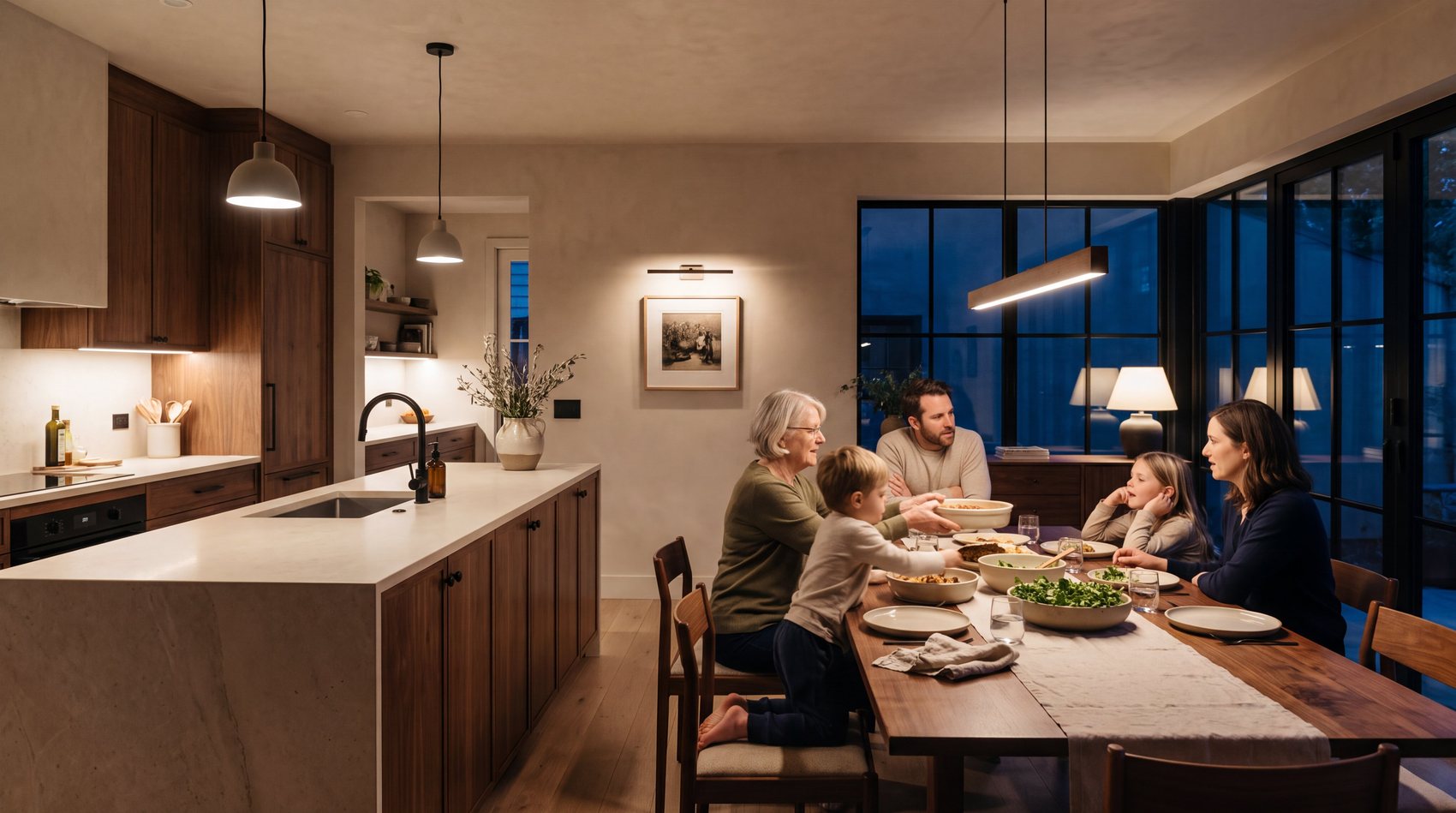
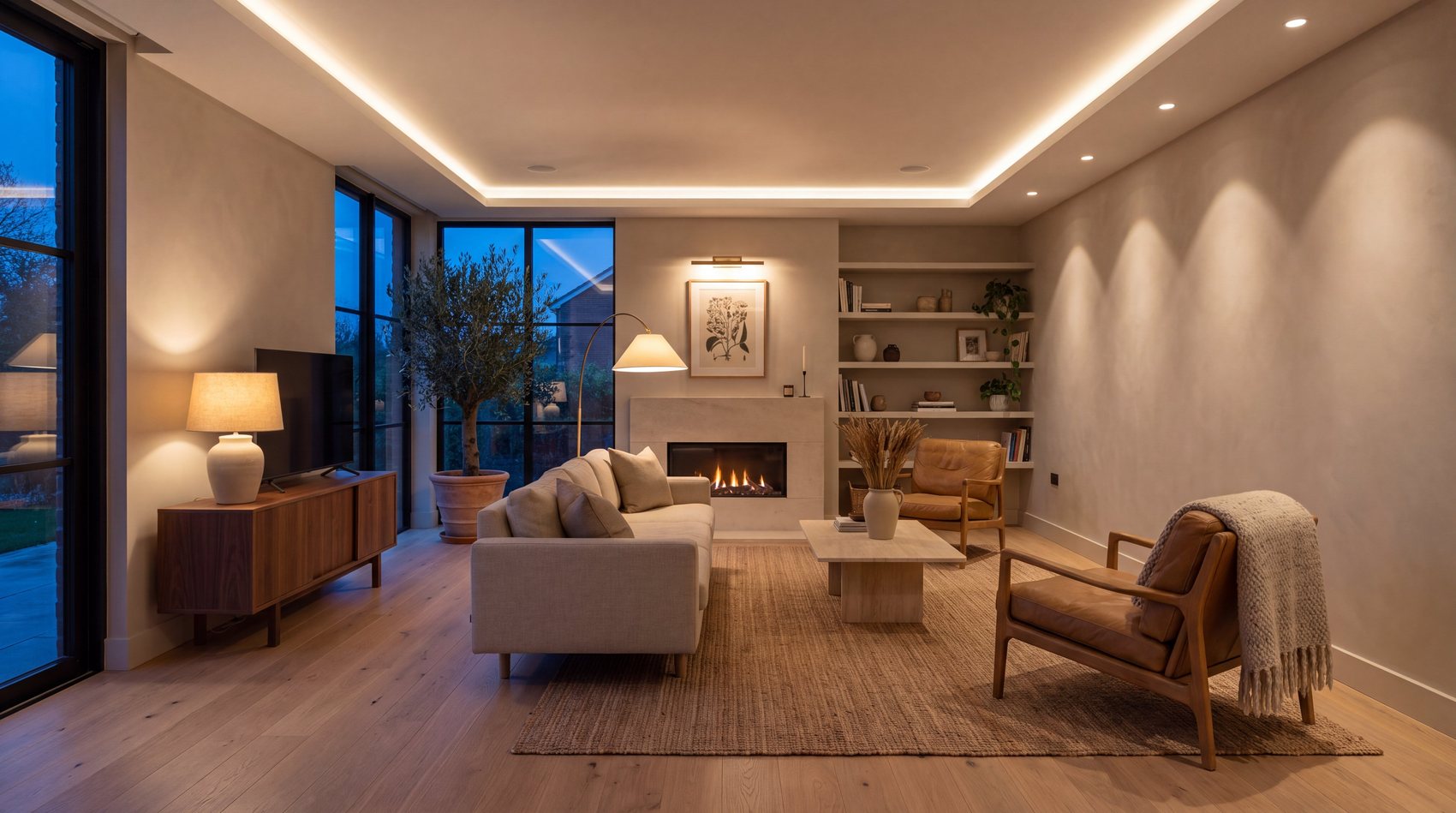
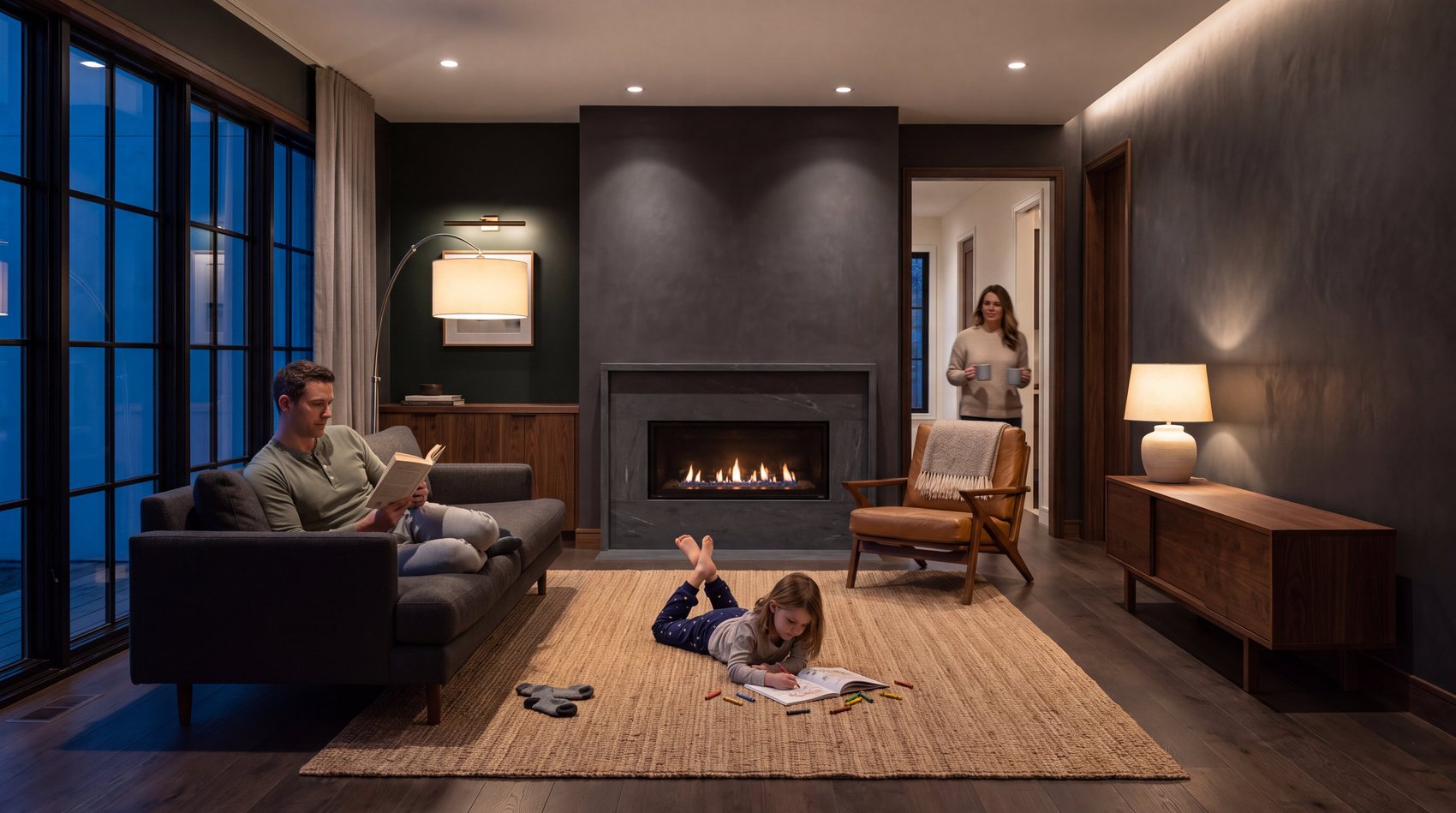
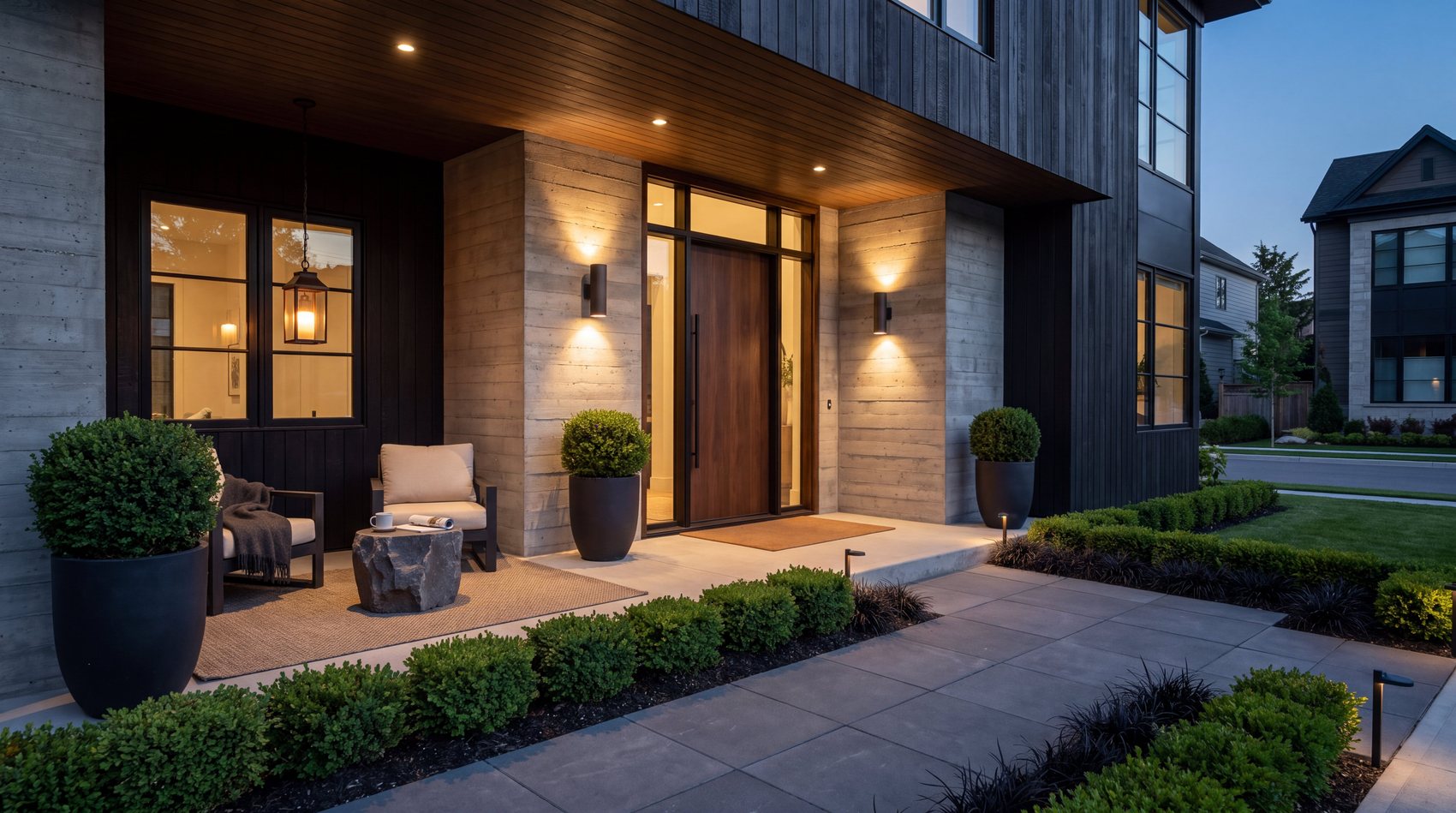
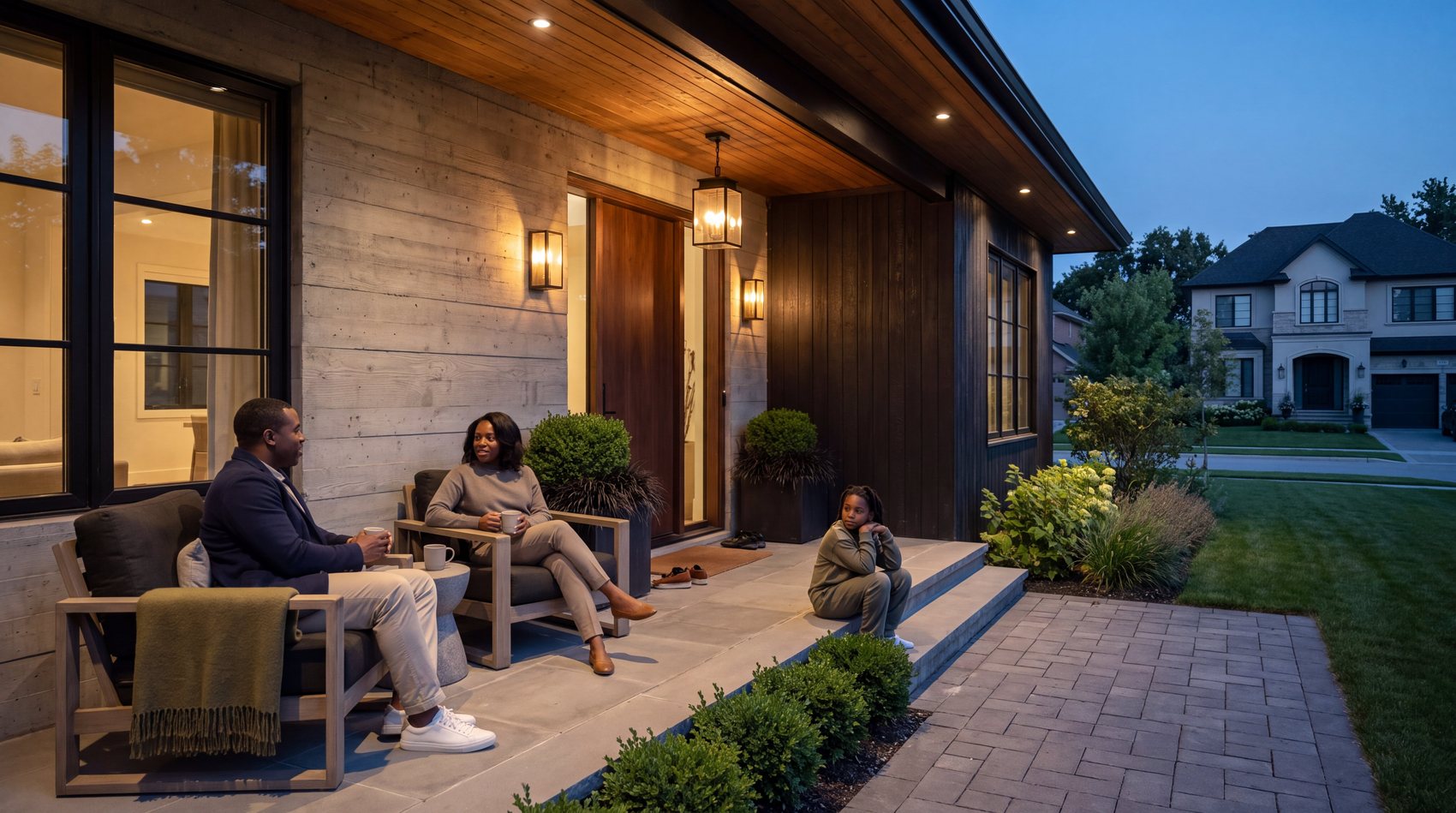
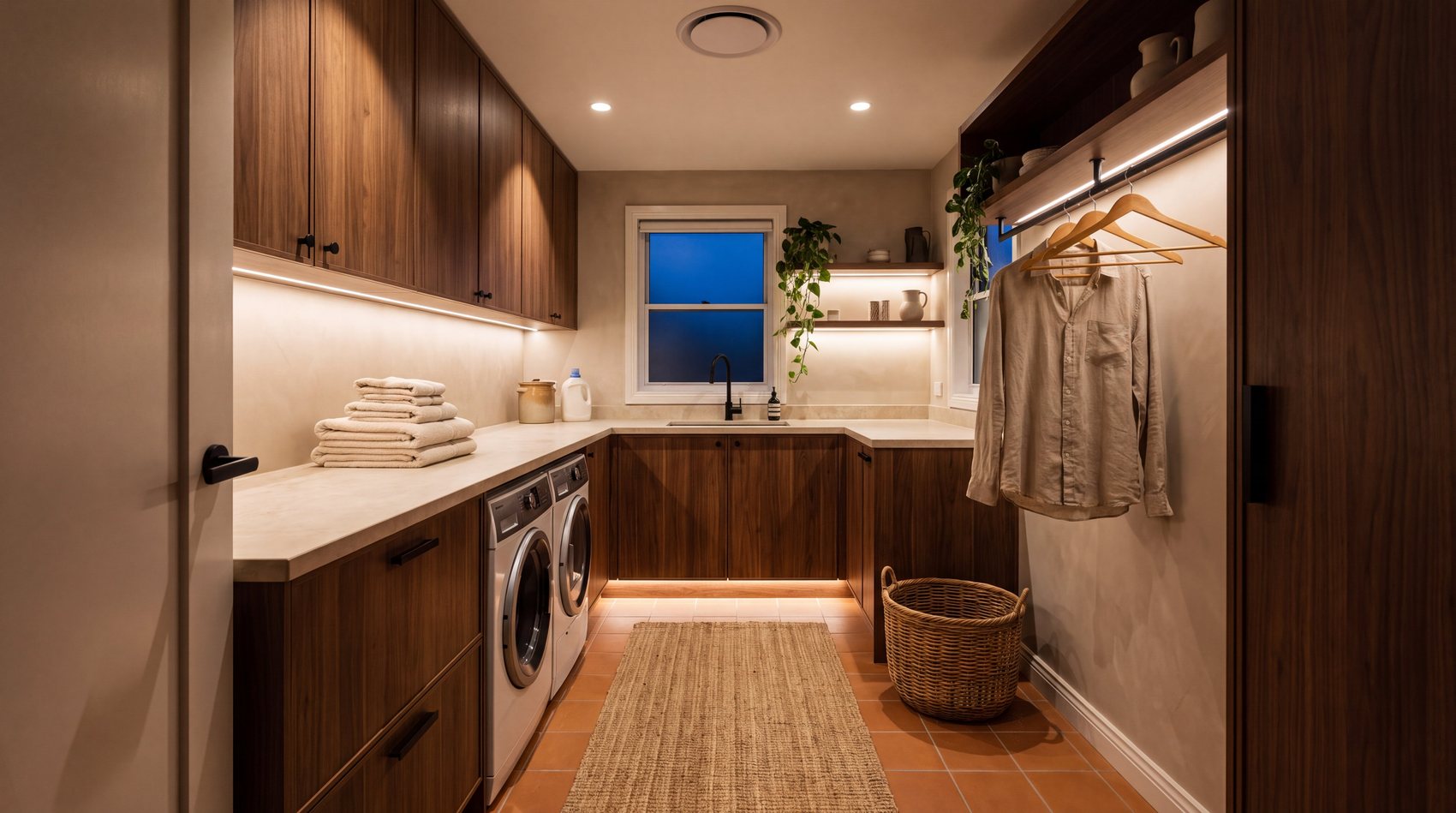
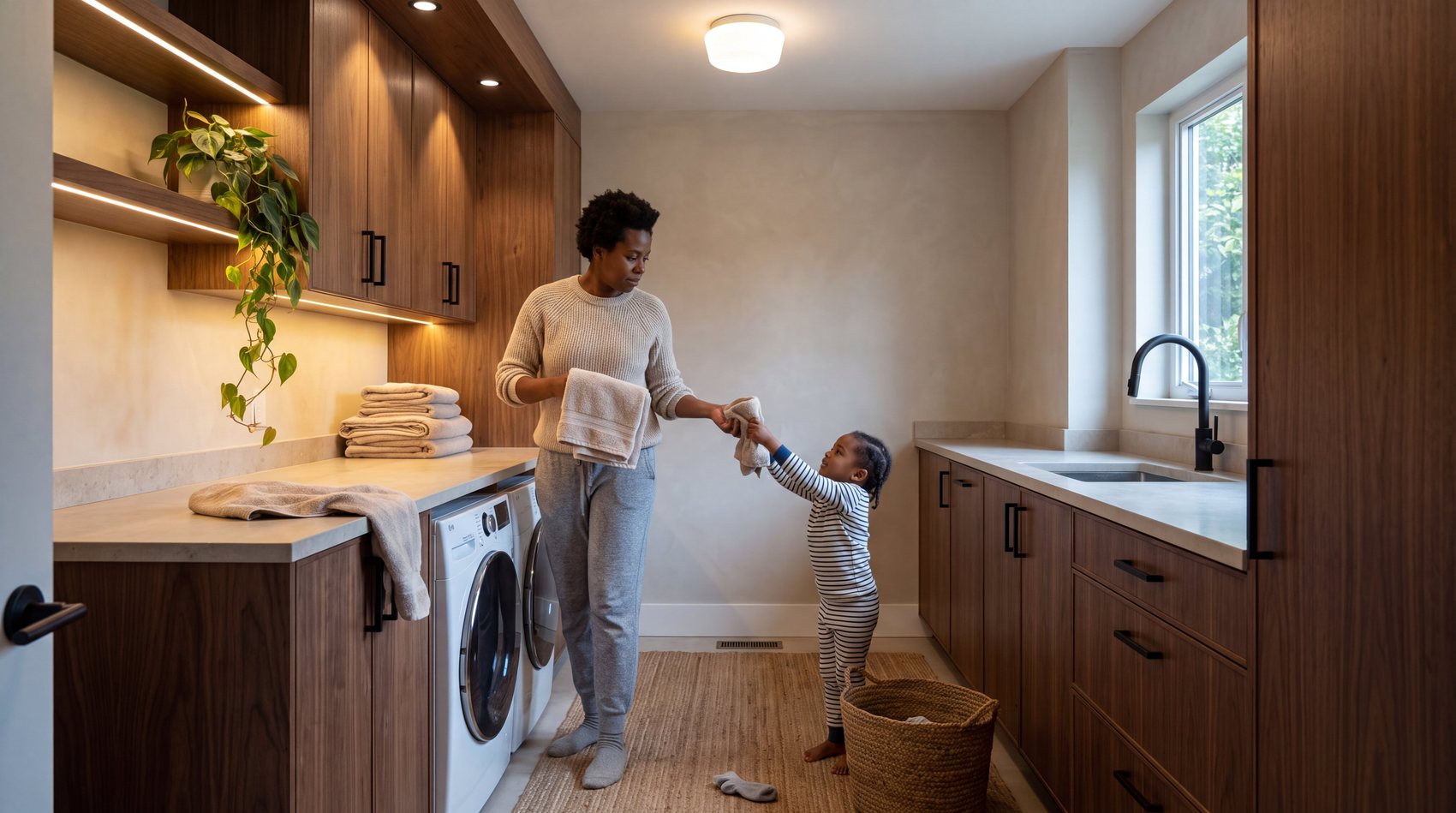
Two registers off one lighting system. The empty rooms sell the space and put the light on camera; the populated frames sell the moment and let the product disappear. Both are generated to the same rules: dusk timing, warm 2200 to 2700K glow, cove and under-cabinet layers, big glass to the dark outside. Built for the email program.
That's the photography. Video works differently: the team still shoots, and the generated films carry the cinematic stories a practical shoot can't reach.
Anyone with these tools can make a lot of imagery. The hard part is catching what's wrong with it before anyone else does.
Generated work goes wrong in ways that look finished: a brand color slightly off, a stranger's logo on a shirt, a whole library lit the wrong way. More than twenty years of brand, packaging and retail work is where the eye for that comes from. Three examples.
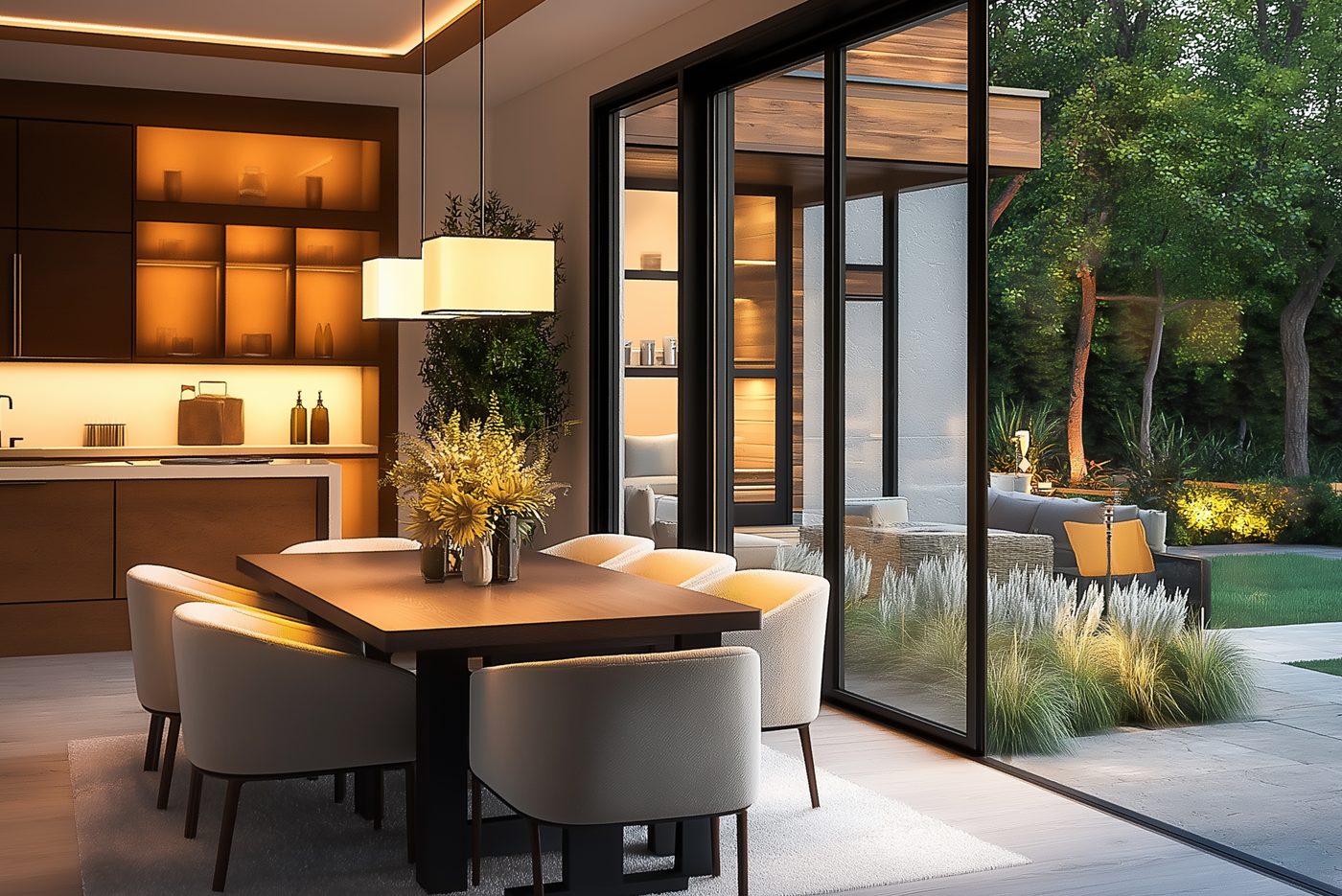
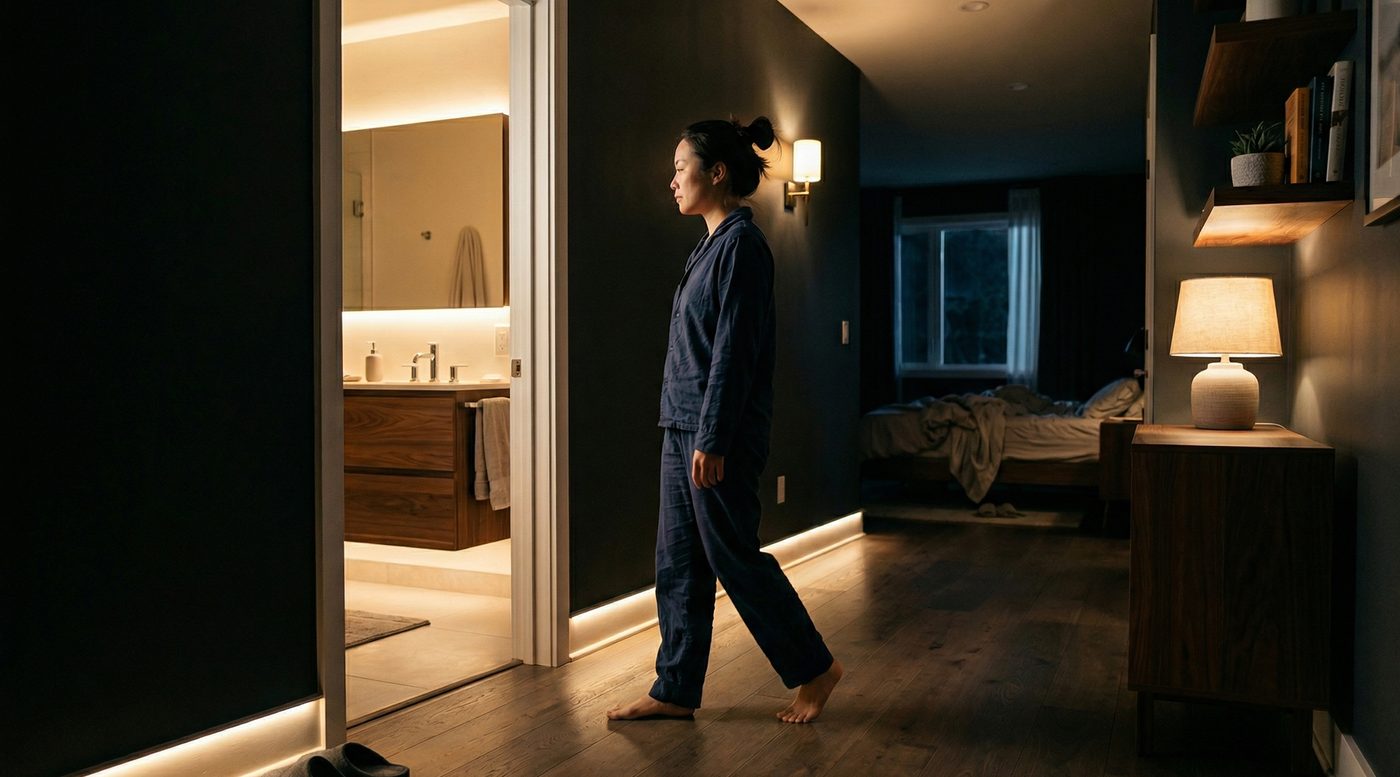
Almost all of deako.com looks dark, and the easy move was to generate dark images to match. With the design files' overlays turned off, the homepage scenes turned out to be bright and soft underneath: the darkness is a layer added wherever text sits on a photo. The Deako Intelligence scenes really are dark, on purpose, for a story about how light changes through the day. Same palette, opposite exposure. Matching the overlay would have produced a library that fit neither page.
On a partner site built for Deako's contractor program, the client said their leadership team looked washed out. I measured the edge of the worst headshot against its beige backdrop at 3.07:1, agreed with them, and reversed my own rule against dark backdrops. Charcoal and navy jackets came off the wardrobe list, because on the new backdrop they measure 1.03:1 and 1.25:1 and disappear.
A delivered render came back with another company's name on a worker's polo and a competitor's product in the frame. I rejected it and left the slot empty rather than ship it.
Every rendered product gets judged at 5× zoom and again at the size it actually appears on the page. Zoom alone rejects flaws no visitor will ever see; page size alone lets real ones through.
Brand, site, app, and a full library of on-brand imagery and video, all shipping live today on deako.com and the Deako app. The call that made it work was deciding, per job, which tool earns its place: photography moved to AI outright, video did not. The team still shoots — AI covers the stories a practical shoot can't reach. Treating that as two decisions instead of one policy is why both hold up.